Chino Hills highlight
Master-planned hillside community
Chino Hills developed rapidly from the 1990s forward as an intentionally designed community with village-style neighborhoods where schools, shopping and parks sit within walking distance of homes.
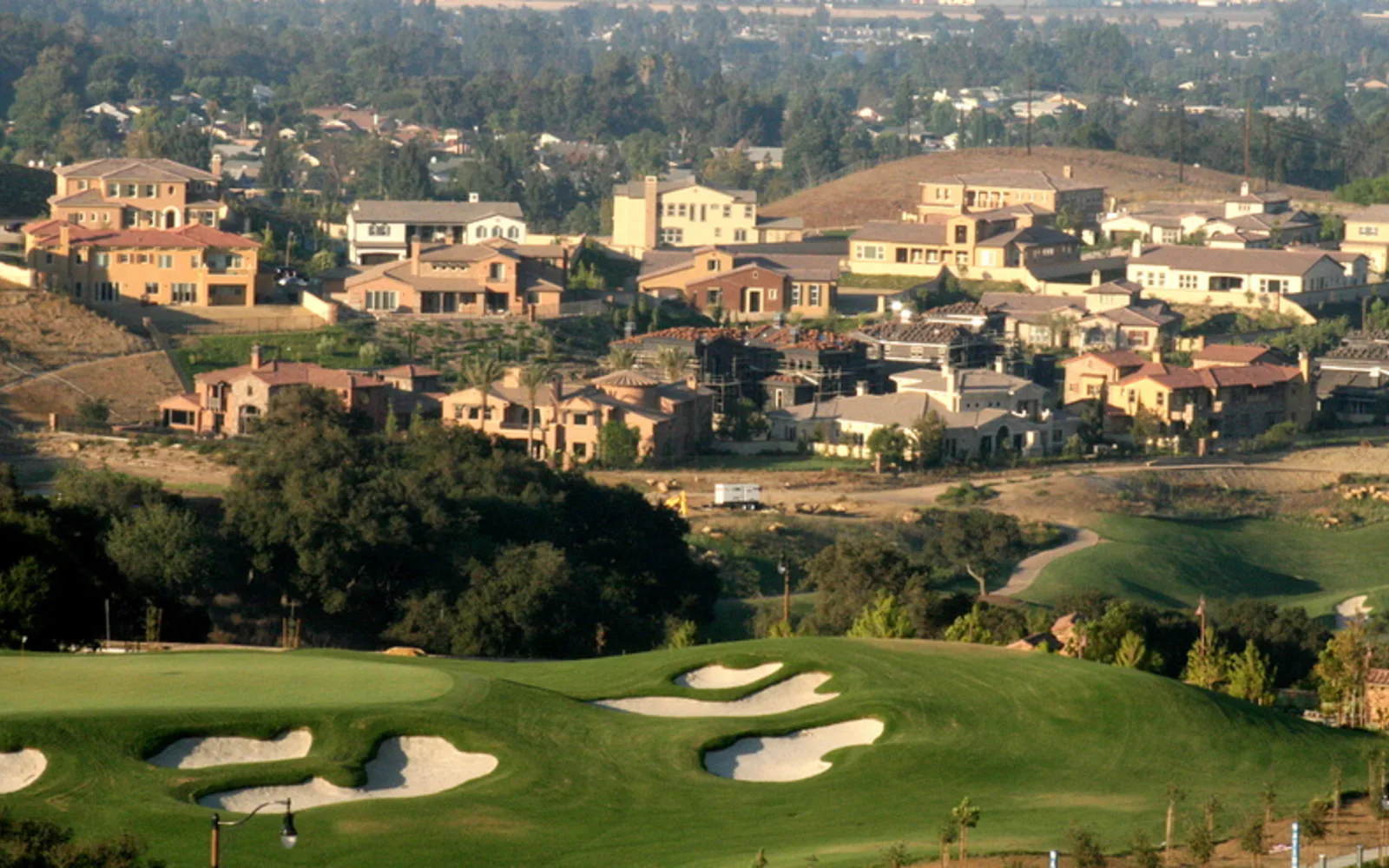
The transformation of Chino Hills from rural hills and dairies into a modern suburban city began in earnest in the late 1980s and accelerated through the 1990s. The city was incorporated on December 1, 1991, at the moment when planned residential development was reshaping the region. Many of the neighborhoods in Chino Hills were conceived as complete villages rather than simple housing tracts, with mixed-use centers, recreation areas and schools positioned to serve residents without requiring long car trips for daily needs.
The approach contrasts with older neighborhoods where commercial strips and residential areas sit disconnected from one another. A planned community integrates retail, offices, schools and parks into the street network so that residents pass these anchors regularly. The result is a city where a child can walk or bike to school, and parents working from home are not isolated from community life.
A well-organized neighborhood makes it easier for a household to predict and manage expenses: you know which schools your children will attend, you can walk to a local market or pharmacy, and you understand the long-term shape of your surroundings. That stability is part of what makes life insurance planning work. When you can project your household's needs over the next ten or thirty years, you can choose coverage that actually fits.